
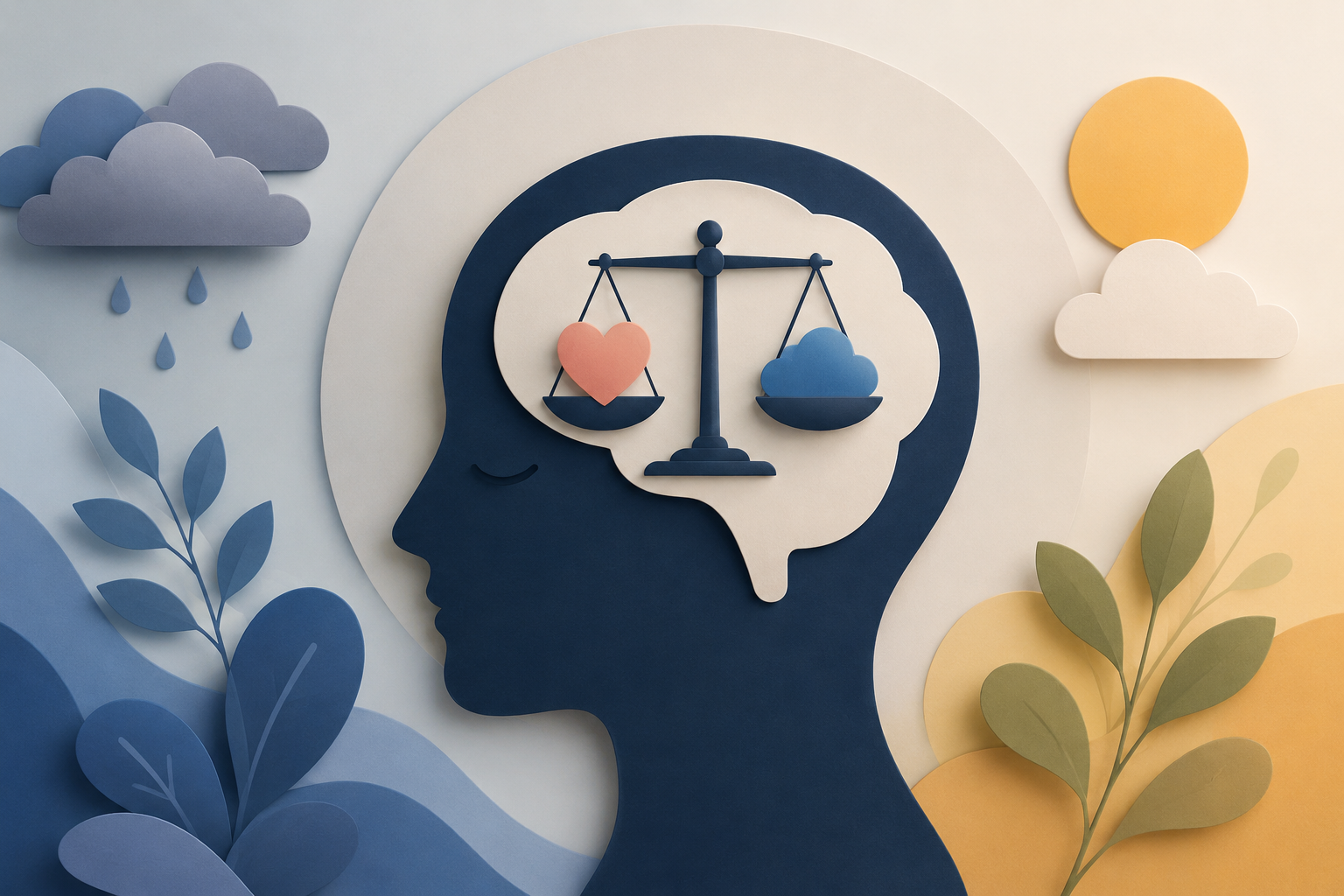
Every day, we experience a wide range of emotions—joy, frustration, excitement, disappointment, anxiety, and hope. While emotions are a natural part of being human, the way we respond to them has a significant impact on our relationships, decision-making, mental wellbeing, and overall quality of life.
This ability to recognise, understand, and manage emotional responses is known as emotional regulation. Rather than suppressing feelings or reacting impulsively, emotional regulation helps us respond thoughtfully, even during challenging situations.
The good news is that emotional regulation is not something you’re born with—it’s a skill that can be learned and strengthened through practice.
What Is Emotional Regulation?
Emotional regulation is the ability to identify, understand, and manage your emotional responses in healthy and constructive ways. It doesn’t mean avoiding difficult emotions or pretending everything is fine. Instead, it involves recognising what you’re feeling, understanding why you’re feeling it, and choosing how to respond in a way that aligns with your values and goals.
People with strong emotional regulation are better equipped to:
- Stay calm during stressful situations
- Manage conflict effectively
- Think clearly before reacting
- Build healthier relationships
- Recover from setbacks
- Make balanced decisions
Why Emotional Regulation Matters
Emotions influence nearly every aspect of daily life. When emotions become overwhelming or difficult to manage, they can affect communication, productivity, physical health, and relationships.
Developing emotional regulation can help you:
- Reduce stress and anxiety
- Improve emotional resilience
- Strengthen communication skills
- Build healthier relationships
- Increase self-confidence
- Make better decisions under pressure
- Improve overall mental wellbeing
Signs You May Be Struggling with Emotional Regulation
Everyone experiences emotional challenges from time to time. However, persistent difficulties may include:
- Reacting impulsively during disagreements
- Feeling overwhelmed by stress
- Difficulty calming down after becoming upset
- Avoiding difficult conversations
- Frequent mood swings
- Trouble expressing emotions appropriately
- Holding onto anger or resentment
- Feeling emotionally exhausted
Recognising these signs is the first step toward developing healthier emotional habits.
What Triggers Strong Emotional Reactions?
Emotional triggers vary from person to person. Common examples include:
- Criticism
- Conflict
- Feeling rejected
- Work-related pressure
- Family disagreements
- Financial stress
- Major life changes
- Lack of sleep
- Physical exhaustion
Understanding your personal triggers makes it easier to prepare and respond more effectively.
Practical Strategies to Regulate Your Emotions
1. Pause Before Reacting
When emotions run high, resist the urge to respond immediately. Taking a few slow breaths and giving yourself a moment to think can prevent impulsive reactions you’ll later regret.
2. Name Your Emotions
Research suggests that simply identifying what you’re feeling can reduce emotional intensity.
Instead of saying:
“I feel terrible.”
Try identifying the specific emotion:
- Frustrated
- Disappointed
- Nervous
- Hurt
- Embarrassed
- Overwhelmed
The more accurately you label your emotions, the easier they become to manage.
3. Practice Deep Breathing
Controlled breathing helps activate the body’s relaxation response.
Try this simple exercise:
- Inhale for 4 seconds
- Hold for 4 seconds
- Exhale slowly for 6 seconds
- Repeat several times
Even a few minutes can help reduce emotional intensity.
4. Challenge Unhelpful Thoughts
Our emotions are often influenced by how we interpret situations.
Ask yourself:
- Is this thought based on facts?
- Am I assuming the worst?
- Is there another way to view this situation?
This technique is commonly used in Cognitive Behavioural Therapy (CBT).
5. Develop Self-Compassion
Treat yourself with the same kindness you would offer a friend.
Instead of harsh self-criticism, remind yourself that mistakes and difficult emotions are part of being human.
6. Practice Mindfulness
Mindfulness encourages you to observe your emotions without immediately reacting to them.
Even five minutes of mindful breathing each day can improve emotional awareness and reduce stress.
7. Improve Your Sleep
Poor sleep often makes emotional regulation more difficult.
Aim for a consistent sleep routine that supports both physical and emotional wellbeing.
8. Stay Physically Active
Regular movement helps regulate stress hormones and improves mood.
Walking, yoga, stretching, swimming, or any enjoyable physical activity can support emotional balance.
9. Keep an Emotion Journal
Writing about emotional experiences can help identify patterns, triggers, and healthier ways to respond in the future.
Consider recording:
- What happened?
- What emotion did I experience?
- What triggered it?
- How did I respond?
- What could I do differently next time?
10. Reach Out for Support
You don’t have to manage difficult emotions alone.
Talking with a trusted friend, coach, therapist, or mental health professional can provide valuable perspective and practical strategies.
Emotional Regulation in Children
Children learn emotional regulation gradually through supportive relationships and positive role models.
Parents and educators can help by:
- Naming emotions
- Validating feelings
- Teaching calming strategies
- Modelling healthy emotional responses
- Encouraging problem-solving
- Praising effort rather than perfection
These skills lay the foundation for lifelong emotional wellbeing.
Emotional Regulation at Work
Strong emotional regulation is one of the most valuable professional skills.
It helps employees and leaders:
- Manage workplace stress
- Resolve conflict professionally
- Communicate effectively
- Lead with empathy
- Adapt to change
- Build stronger teams
Emotionally regulated leaders create healthier, more productive workplaces.
Common Myths About Emotional Regulation
Myth 1: Regulating emotions means hiding them.
False. Healthy emotional regulation involves expressing emotions appropriately—not suppressing them.
Myth 2: Strong emotions are a sign of weakness.
False. Emotions are a normal part of life. Strength comes from how we understand and respond to them.
Myth 3: Emotional regulation is something you’re born with.
False. Emotional regulation is a skill that develops through learning, practice, and experience.
Final Thoughts
Emotional regulation isn’t about eliminating emotions—it’s about responding to them in ways that support your wellbeing, relationships, and long-term goals.
Like any skill, emotional regulation improves with practice. Small daily habits—such as pausing before reacting, practising mindfulness, improving sleep, and developing self-awareness—can make a meaningful difference over time.
With patience, consistency, and the right support, anyone can build healthier emotional habits and become more resilient in the face of life’s challenges.
Frequently Asked Questions
What is emotional regulation?
Emotional regulation is the ability to understand, manage, and respond to emotions in healthy and constructive ways.
Can emotional regulation be improved?
Yes. Emotional regulation can be strengthened through self-awareness, mindfulness, Cognitive Behavioural Therapy (CBT), healthy lifestyle habits, and consistent practice.
Why is emotional regulation important?
It helps reduce stress, improve relationships, strengthen resilience, enhance communication, and support better decision-making.
Is emotional regulation the same as suppressing emotions?
No. Healthy emotional regulation means recognising emotions and responding appropriately rather than ignoring or hiding them.
When should I seek professional support?
If intense emotions frequently interfere with your relationships, work, or daily life, speaking with a qualified mental health professional can provide valuable guidance and support.